









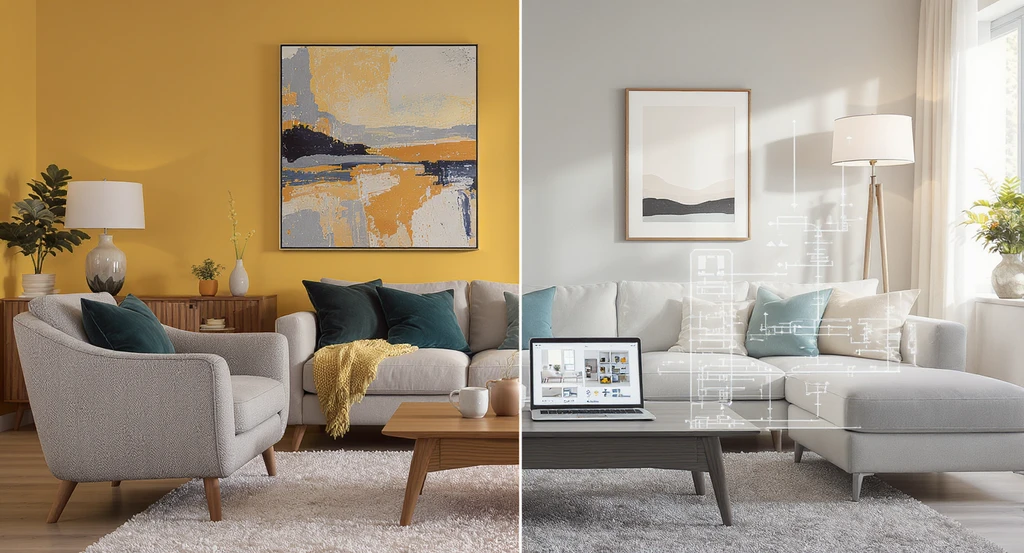
Technology has transformed the way people interact with their homes, making everyday activities more convenient, efficient, and comfortable. From automated lighting and voice-controlled entertainment systems to motorised curtains and intelligent climate controls, modern homes are increasingly embracing connected solutions. However, incorporating technology without considering aesthetics and functionality can create unnecessary complications. When planning smart living room interiors, homeowners must strike the right balance between technological convenience, visual appeal, and practical usability.
Avoiding common design mistakes can help create a living space that feels sophisticated, organised, and comfortable.
1. Prioritising Technology Over Overall Design
One of the most common mistakes is allowing technology to dominate the living room’s appearance. Large screens, visible speakers, tangled wires, and multiple control panels can make even an aesthetically pleasing space look cluttered.
Technology should complement the interior theme rather than become its central distraction. Homeowners should consider concealed wiring, wall-mounted entertainment systems, integrated speakers, and discreet device placements. Choosing equipment that blends with the furniture, colour palette, and architectural elements helps maintain visual consistency.
A well-planned entertainment wall, for example, can accommodate televisions, sound systems, and storage compartments without compromising the room’s overall appearance.
2. Ignoring Electrical Planning and Connectivity Requirements
Smart devices depend on reliable electrical infrastructure and network connectivity. Installing automated features without evaluating these requirements can lead to inconvenient modifications later.
Before finalising the furniture layout or beginning installation, consider the placement of electrical outlets, charging points, internet routers, and control switches. Devices such as smart televisions, speakers, security systems, and lighting controls may require different power and connectivity arrangements.
It is equally important to plan for future upgrades. Installing sufficient outlets and allowing space for additional equipment can prevent unnecessary rewiring when new technologies are introduced.
3. Choosing Too Many Smart Devices
Another mistake is assuming that a technologically advanced living room needs every available smart gadget. Installing multiple devices without identifying their actual purpose can increase expenses and make everyday operations unnecessarily complicated.
Instead, homeowners should begin by identifying their lifestyle requirements. Someone who frequently watches films may benefit from an integrated entertainment system, while another household may prioritise automated lighting, voice assistance, or motorised curtains.
Selecting technology based on practical needs ensures that every device serves a purpose. A carefully chosen combination of essential features often delivers a better experience than an overcrowded collection of gadgets.
4. Neglecting Furniture Placement and Device Accessibility
Technology integration should always consider how people use the living room. Poor furniture positioning can obstruct speakers, create uncomfortable viewing angles, or make smart controls difficult to access.
For example, placing a television too high can cause neck discomfort, while positioning speakers incorrectly may affect sound distribution. Similarly, installing automated curtains behind bulky furniture can make maintenance and operation difficult.
Before purchasing equipment, evaluate the room dimensions, seating arrangement, viewing distance, and movement pathways. Furniture and technology should work together rather than compete for space.
This is particularly important in urban apartments, where thoughtful space planning can make a significant difference to everyday comfort.
5. Forgetting About Compatibility Between Devices
Not every smart device works seamlessly with every other system. Purchasing products from different manufacturers without checking compatibility can result in multiple applications, disconnected controls, and inconsistent performance.
Before investing in connected equipment, verify whether devices support the same smart home ecosystem or communication standards. Consider how lighting, entertainment systems, voice assistants, and other automated features will interact.
A centralised control system can simplify everyday operations by allowing users to manage compatible devices through a common interface.
Homeowners should also consider software updates, technical support, and long-term product availability before making purchasing decisions.
6. Ignoring Privacy and Security Considerations
Connected living spaces offer convenience, but they also introduce potential privacy and cybersecurity concerns. Devices with microphones, cameras, and internet connectivity may collect personal information or become vulnerable if not properly secured.
Using strong passwords, enabling available security updates, and securing the home Wi-Fi network are essential precautions. Homeowners should also review device permissions and understand what information connected products collect.
For devices with microphones or cameras, consider privacy controls and their placement within the room. Technology should improve the living experience without creating unnecessary concerns about personal security.
7. Overlooking Future Maintenance and Upgrade Costs
Smart technology evolves quickly, and some devices may require periodic updates, replacement components, or professional servicing. Failing to account for these expenses can make an apparently affordable installation costly over time.
Homeowners should evaluate the durability, warranty coverage, maintenance requirements, and upgrade options of products before purchasing them. Choosing reliable equipment and avoiding unnecessarily complicated systems can reduce long-term maintenance challenges.
It is also useful to select flexible solutions that allow individual components to be upgraded without replacing the entire setup.
8. Not Seeking Professional Design Guidance
Integrating technology into a living room involves more than selecting gadgets. It requires coordination between electrical planning, furniture layouts, lighting arrangements, storage requirements, and interior aesthetics.
This is where professional expertise becomes valuable. Homeowners looking for the best living room interior designers in Bangalore should consider professionals who understand both contemporary design principles and the practical requirements of modern households.
Experienced designers can help determine suitable locations for entertainment units, conceal wiring, coordinate lighting systems, and ensure that technology integrates naturally with the overall interior theme. Proper planning also reduces the likelihood of expensive changes during execution.
Conclusion
Technology can make a living room more convenient, adaptable, and enjoyable, but successful integration depends on thoughtful planning. Avoiding mistakes such as excessive device installation, poor electrical arrangements, incompatible systems, and neglected furniture layouts helps create spaces that remain functional and visually appealing.
The goal of smart living room interiors should not simply be to introduce more technology but to make everyday living easier without compromising comfort or design quality. A balanced approach, supported by suitable products and professional planning, can transform an ordinary living room into a well-organised, future-ready space.
For homeowners seeking to bring this balance into their homes, WeDezine Studio offers living room interior design solutions that combine personalised layouts, custom entertainment units, thoughtful lighting, and contemporary aesthetics. With attention to both functionality and visual harmony, the studio helps homeowners create living spaces that complement their lifestyles while accommodating modern design expectations.