








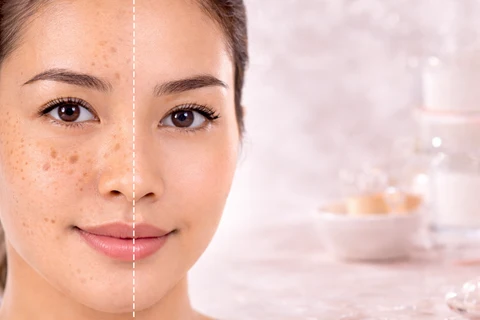
Hyperpigmentation is one of the most common skin concerns, affecting people with different skin types and complexions. It occurs when certain areas of the skin develop excess pigmentation, making them appear darker than the surrounding areas. Dark spots, acne marks, sun spots, and uneven skin tone are some common examples. Although hyperpigmentation is generally harmless, it can affect the overall appearance of our complexion and make achieving an even-looking skin tone more challenging.
Fortunately, modern skincare offers several ingredients that help improve the appearance of discoloration. One ingredient that has gained significant attention is kojic acid. Known for its pigmentation-targeting properties, kojic acid is frequently used in skincare formulations designed to promote a brighter and more balanced complexion.
Using a Skin Factor kojic Acid Serum for hyperpigmentation can be a helpful addition to a consistent skincare routine. This ingredient works by influencing melanin production, helping reduce the appearance of unwanted dark patches over time. Understanding how it works and how to use it correctly can help us make better skincare decisions.
What Is Hyperpigmentation?
Hyperpigmentation refers to the darkening of certain areas of the skin due to increased melanin production or uneven pigment distribution. Melanin is the natural substance responsible for giving our skin its color.
When melanocytes, the cells responsible for producing melanin, become overactive, they may produce excess pigment in particular areas. This can result in visible discoloration that ranges from small dark marks to larger patches.
Several factors can contribute to hyperpigmentation, including:
- Sun exposure: Ultraviolet radiation can stimulate melanin production and contribute to sun spots.
- Acne breakouts: Inflammation following acne can leave dark marks known as post-inflammatory hyperpigmentation.
- Hormonal changes: Hormonal fluctuations may contribute to melasma.
- Skin irritation: Inflammation caused by unsuitable skincare products can trigger discoloration.
- Aging: Years of cumulative sun exposure can contribute to age spots and uneven pigmentation.
Identifying the underlying cause is important because different types of pigmentation may respond differently to skincare treatments.
What Is Kojic Acid Serum?
Kojic acid is a naturally derived compound produced by certain fungi during fermentation. It is commonly used in cosmetic skincare products because of its ability to interfere with melanin production.
A kojic acid serum is a lightweight skincare formulation designed to deliver this ingredient to the skin. It is often included in products intended to address dark spots, uneven skin tone, and other pigmentation concerns.
Unlike ordinary moisturizing products, kojic acid serums focus on supporting a more balanced-looking complexion by targeting the biological process involved in pigment formation.
Depending on the formulation, these serums may also contain hydrating and skin-conditioning ingredients that help maintain moisture and improve overall skin comfort.
How Kojic Acid Serum Helps Reduce Hyperpigmentation
The main reason kojic acid is popular in pigmentation-focused skincare is its ability to inhibit an enzyme called tyrosinase.
Tyrosinase plays an essential role in melanin production. By interfering with this enzyme, kojic acid helps reduce the formation of excess pigment.
Let’s explore how this process supports different skin concerns.
1. Helps Reduce Excess Melanin Production
Melanin gives our skin its natural color, but excessive production can contribute to visible dark patches.
Kojic acid works by inhibiting tyrosinase activity, helping regulate the process responsible for melanin formation.
With consistent use, a suitable kojic acid formulation may gradually improve the appearance of areas affected by excess pigmentation.
2. Improves the Appearance of Dark Spots
Dark spots can develop after acne breakouts, sun exposure, and skin inflammation. These marks may remain visible even after the original skin concern has disappeared.
Kojic acid can help improve the appearance of these spots by targeting melanin production.
Regular application, combined with proper sun protection, may gradually make discoloration less noticeable.
3. Supports a More Even Skin Tone
Uneven skin tone can make the complexion appear patchy or dull. It may affect the cheeks, forehead, chin, and areas around the mouth.
By helping regulate pigment formation, kojic acid supports a more balanced-looking complexion.
It is particularly useful in routines designed to address the appearance of mild pigmentation and discoloration.
4. Helps Improve Post-Acne Hyperpigmentation
Acne-related pigmentation is a common concern, especially among individuals who experience frequent breakouts.
When acne causes inflammation, the surrounding skin may produce additional melanin. This can leave brown or dark marks after pimples heal.
Kojic acid serum may help improve the appearance of these marks over time. However, it does not directly treat active acne or remove depressed acne scars.
Maintaining a gentle skincare routine and avoiding the habit of picking pimples can also help prevent additional discoloration.
5. Helps Address the Appearance of Sun-Induced Pigmentation
Daily exposure to sunlight can stimulate melanin production. Over time, this may lead to visible sun spots and uneven pigmentation.
Kojic acid can help address the appearance of existing discoloration by reducing tyrosinase activity.
However, sunscreen remains essential because continued UV exposure can contribute to further pigmentation and reduce the benefits of a pigmentation-focused routine.
Benefits of Adding Kojic Acid Serum to Your Skincare Routine
Incorporating kojic acid serum into an appropriate skincare routine offers several potential benefits.
- Pigmentation support: Helps improve the appearance of dark spots and uneven pigmentation.
- Brighter-looking complexion: Supports a more balanced and radiant appearance.
- Post-acne mark care: Helps address discoloration left behind after acne breakouts.
- Targeted skincare: Provides an ingredient specifically associated with reducing melanin formation.
- Lightweight application: Most serum formulations are easy to incorporate into layered skincare routines.
The results depend on the formulation, frequency of application, pigmentation type, and individual skin response.
How to Use Kojic Acid Serum for Hyperpigmentation
Using kojic acid serum correctly is important for achieving a comfortable and consistent skincare routine.
Step 1: Cleanse Your Skin
Begin by washing your face with a gentle cleanser. This helps remove accumulated oil, dirt, sweat, and other impurities.
Avoid harsh cleansing products that leave your skin feeling tight or excessively dry.
Step 2: Apply Kojic Acid Serum
Apply a small amount of serum according to the product instructions.
Spread it gently over the affected areas or across the face if the formulation is designed for full-face application.
Avoid the eye area, lips, and broken or irritated skin.
Step 3: Apply a Moisturizer
Follow with a suitable moisturizer to maintain hydration and support the skin barrier.
Look for beneficial ingredients such as glycerin, ceramides, hyaluronic acid, and panthenol.
Step 4: Protect Your Skin With Sunscreen
During the daytime, finish your routine with broad-spectrum SPF 30 or higher sunscreen.
Reapply approximately every two hours when outdoors, particularly after sweating or swimming.
Sun protection is essential because UV exposure can trigger additional pigmentation.
Which Ingredients Work Well With Kojic Acid?
A balanced skincare routine may include other ingredients that support hydration, skin-barrier health, and a more even-looking complexion.
Niacinamide
Niacinamide is known for supporting the skin barrier and improving the appearance of uneven skin tone. It can complement kojic acid in a pigmentation-focused routine.
Hyaluronic Acid
Hyaluronic acid helps attract and retain moisture. Combining it with kojic acid can support hydration, particularly for people who experience dryness.
Vitamin C
Vitamin C is an antioxidant that helps protect the skin against oxidative stress and supports a brighter-looking complexion.
It can complement a pigmentation-focused routine, although introducing both ingredients gradually is advisable to reduce the risk of irritation.
Ceramides
Ceramides help maintain the skin’s natural protective barrier. They are particularly useful when using active skincare ingredients that may cause dryness or sensitivity.
How Long Does Kojic Acid Serum Take to Work?
Hyperpigmentation does not disappear overnight. Improving the appearance of dark spots requires patience and consistent skincare habits.
Some people may notice gradual improvements after several weeks, while more persistent pigmentation can take several months.
Results depend on factors such as:
- The severity of pigmentation.
- The underlying cause of discoloration.
- The concentration and quality of the serum.
- Individual skin sensitivity.
- Consistency of application.
- Daily sunscreen use.
If pigmentation becomes darker, spreads, or does not respond to skincare, consulting a dermatologist can help identify the most appropriate treatment.
Possible Side Effects of Kojic Acid Serum
Although kojic acid is widely used in cosmetic products, it can cause irritation in some individuals.
Potential side effects include:
- Skin redness.
- Dryness or itching.
- Burning sensations.
- Irritation.
- Allergic contact dermatitis.
We should always perform a patch test before introducing a new kojic acid product.
People with sensitive skin should start with less frequent application and follow the manufacturer’s instructions. Discontinue use if irritation develops.
Choosing an appropriately formulated product is important because stronger concentrations do not necessarily provide better results.
Everyday Tips for Managing Hyperpigmentation
Alongside using kojic acid serum, a few simple habits can help maintain healthier-looking skin.
- Wear sunscreen daily: Protect your skin from UV exposure, even on cloudy days.
- Avoid harsh scrubbing: Excessive friction can irritate the skin and worsen discoloration.
- Maintain hydration: Use a moisturizer suitable for your skin type.
- Follow a consistent routine: Regular application is more useful than frequently changing products.
- Avoid picking acne: Reducing inflammation can help prevent additional post-acne marks.
- Introduce active ingredients slowly: Avoid combining too many strong products at once.
- Choose suitable skincare products: Select formulations that match your skin’s needs and sensitivity.
Conclusion
Kojic acid serum is a useful skincare ingredient for people looking to improve the appearance of hyperpigmentation, dark spots, and uneven skin tone. Its ability to inhibit tyrosinase helps reduce melanin formation, making it a popular choice in pigmentation-focused skincare formulations.
By incorporating kojic acid serum into a balanced routine, we can support a brighter and more even-looking complexion. Combining it with moisturizing ingredients, gentle cleansing, and daily sunscreen can help maintain skin comfort while addressing discoloration.
Consistency and patience are essential. Rather than expecting immediate changes, we should focus on suitable products and healthy daily skincare habits that support gradual improvements.
Frequently Asked Questions (FAQs)
1. Does kojic acid serum help reduce hyperpigmentation?
Yes. Kojic acid helps inhibit tyrosinase, an enzyme involved in melanin production. This may gradually improve the appearance of hyperpigmentation, dark spots, and uneven skin tone.
2. Can kojic acid serum be used every day?
Some formulations are suitable for daily use, but frequency depends on their concentration and your skin’s tolerance. Beginners should start slowly and follow the product instructions.
3. Is kojic acid serum effective for acne marks?
Kojic acid may help fade dark marks left behind after acne breakouts. However, it does not directly treat active acne or remove indented acne scars.
4. Can kojic acid serum be combined with niacinamide?
Yes. Niacinamide and kojic acid can complement each other in a skincare routine targeting uneven skin tone. Introduce products gradually and monitor your skin for irritation.
5. Should we use sunscreen with kojic acid serum?
Absolutely. Daily broad-spectrum SPF 30 or higher sunscreen helps protect against UV-related pigmentation and supports your efforts to improve the appearance of dark spots.