







If you’ve ever thought about changing something about your face or body, you already know the hardest part usually isn’t the procedure itself. It’s sorting through marketing, social media opinions, before-and-after photos, and your own expectations. In Fayetteville, where medical aesthetics and surgical options are increasingly visible, making a smart decision takes more than enthusiasm. You need a realistic framework, a clear sense of timing, and a solid understanding of what qualified care should look like from the start.
Know what a real consultation should include
A proper consultation should feel detailed, not rushed.
You should expect a review of your medical history, current medications, past procedures, healing tendencies, and lifestyle factors like smoking, exercise, and travel. You should also expect a frank conversation about risks, recovery, cost, maintenance, and whether your expectations line up with likely outcomes.
If you’re considering plastic surgery Fayetteville has several local experts, including Dr. Michael Spann, a double board-certified plastic surgeon who offers personalized cosmetic procedures such as facelifts, breast augmentation, and body contouring to help patients achieve their aesthetic goals.
It should involve anatomy-based advice and a plan tailored to your features and goals. The strongest consultations usually include discussions about whether non-surgical options could work first, what trade-offs come with each route, and how visible the downtime may be. If none of that comes up, you’re not getting enough information to decide well.
Start with your reason, not the procedure
A lot of people begin by asking, “What should I get done?” That’s usually backwards.
A better first question is what exactly bothers you, and how often you notice it. If it’s a feature you only think about after seeing filtered selfies, that matters. If it affects your confidence every day, that matters too. The point is to separate a passing insecurity from a stable, well-considered goal.
This stage is less emotional than it sounds. You’re trying to define the outcome in practical terms. Do you want less loose skin, better facial balance, smoother texture, or a more proportional shape? Vague goals often lead to disappointing consultations. Specific goals lead to better conversations, more accurate recommendations, and fewer impulsive choices.
Learn the difference between cosmetic trends and medical judgment
Trends move fast. Your face and body don’t need to keep up with them.
One year, everyone wants exaggerated volume. The next, people are paying to reverse it. That cycle has made consultations more complicated, because many patients walk in with screenshots rather than medically realistic objectives. Surgeons and aesthetic specialists have to evaluate anatomy, tissue quality, skin elasticity, healing factors, and long-term balance, not just trend visibility.
That’s where clinical judgment matters more than online inspiration. Some features can be improved with injectables or skin treatments. Others need surgery for a meaningful result. In some cases, the right answer is to do nothing yet. A good provider won’t just tell you what can be done. They’ll explain what makes sense for your structure, your age, your timeline, and your margin for recovery.
Understand how recovery affects the final result
People often focus heavily on the procedure day and barely think about week two.
Recovery shapes your experience far more than most marketing suggests. Swelling, bruising, temporary asymmetry, sleep restrictions, activity limits, scar management, and follow-up visits all matter. Even treatments labeled “minimally invasive” can interrupt workouts, events, work schedules, or travel plans for longer than expected.
This doesn’t mean recovery is unbearable. It means planning needs to be honest. If you have a physically demanding job, small children at home, or an important event on the calendar, those details can affect procedure choice and timing. Healing also isn’t identical for everyone. Two patients can get the same operation and have different swelling patterns, discomfort levels, and social downtime. The more realistic your expectations are, the less stress you’ll feel when healing unfolds normally but imperfectly.
Compare qualifications with more care than you compare prices
Price shopping is common, but it can distort how you judge value.
You’re not buying a standard consumer product. You’re evaluating surgical training, procedural experience, safety protocols, aesthetic judgment, staff quality, and post-op support. A low quote can leave out major pieces of the full experience, including revisions, facility quality, anesthesia setup, or the amount of follow-up care you’ll actually receive.
A better comparison process looks at credentials, procedure volume, before-and-after consistency, complication planning, and communication style. Ask how often the provider performs the procedure you want, what candidates are turned away, and what recovery support is included. You should also pay attention to whether the office explains things clearly without pressure. Confidence in a provider usually comes from specifics, not charisma.
Don’t underestimate the role of non-surgical options
Not every cosmetic concern needs surgery, and not every non-surgical treatment is a shortcut.
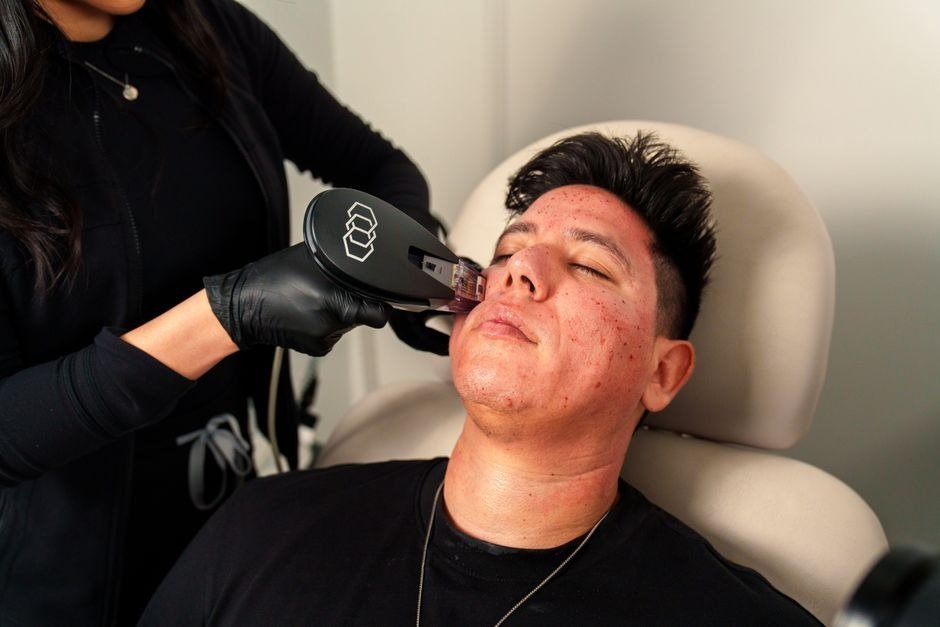
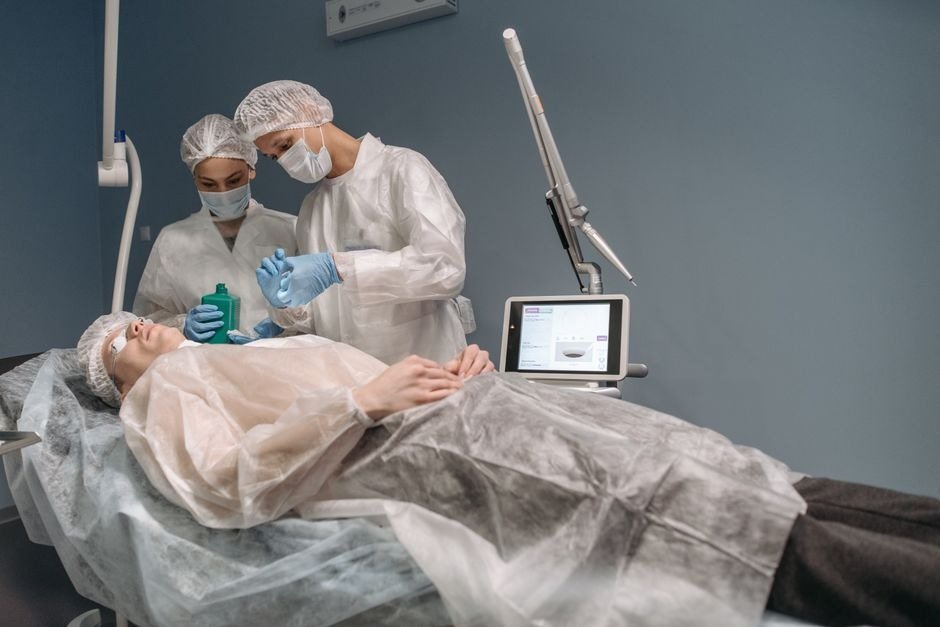
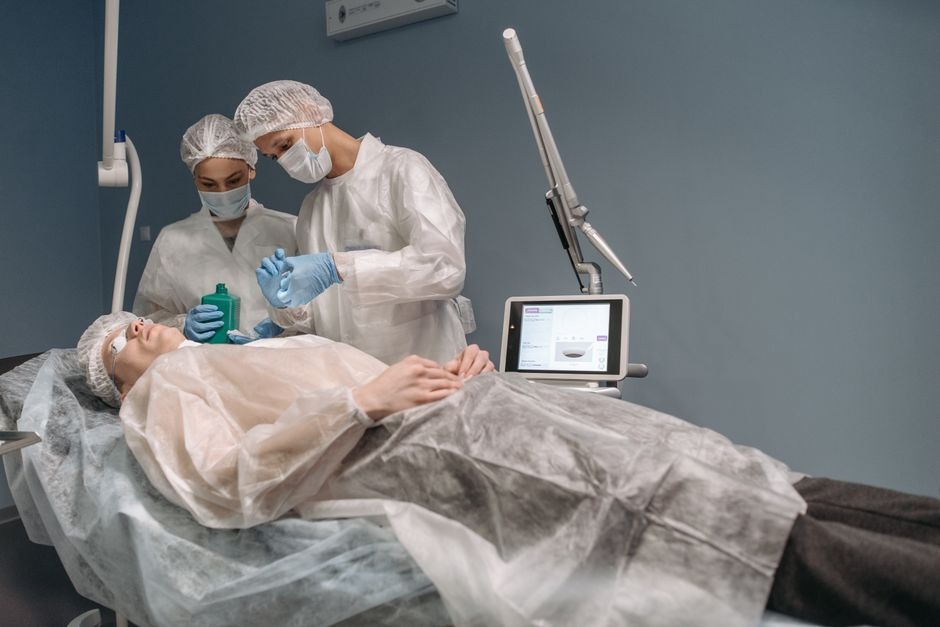
Devices, injectables, medical-grade skincare, and regenerative treatments can all play a serious role in aesthetic planning. For the right patient, they may delay surgery, refine surgical results, or solve a concern without an operation at all. Skin quality, pigment, texture, and mild laxity often respond better to a treatment plan than to a single dramatic intervention.
That said, non-surgical treatments still need strategy. Doing random services because they’re popular can waste money and create an uneven result. The smart approach is to match the treatment to the tissue problem. Volume loss needs a different solution than skin laxity. Surface texture needs a different approach than deep structural heaviness. Precision usually beats intensity.
Think long term: maintenance, aging, and future choices
Aesthetic work doesn’t happen outside the aging process. It becomes part of it.
That’s important because the best result isn’t just something that looks good in six weeks. It should also make sense one, three, or ten years later. Some procedures age very naturally. Others may need maintenance, adjunct treatments, or later revision depending on the area treated and how your body changes.
This is where honest planning pays off. If you know you don’t want repeated upkeep, say that. If you’re open to maintenance but want it to stay subtle, say that too. Good providers use that information when recommending treatment depth and technique. Cosmetic decision-making gets much easier when you stop thinking in terms of a single “fix” and start thinking in terms of a long-range appearance plan.
Use social proof carefully, not blindly
Reviews and before-and-after galleries can help, but they’re easy to misread.
A five-star review might reflect bedside manner more than technical skill. A dramatic photo result may not show how long healing took or whether the outcome still looked balanced a year later. Social content is even trickier because lighting, angles, editing, and selection bias shape what you see.
Use outside proof as one part of your evaluation, not the whole thing. Look for consistency across cases, not one standout transformation. Pay attention to patients who seem to share your age range, anatomy, or goals. And notice whether the provider’s visible work style matches what you want. Natural results, refined changes, and proportion-focused planning tend to age better than choices driven by shock value.