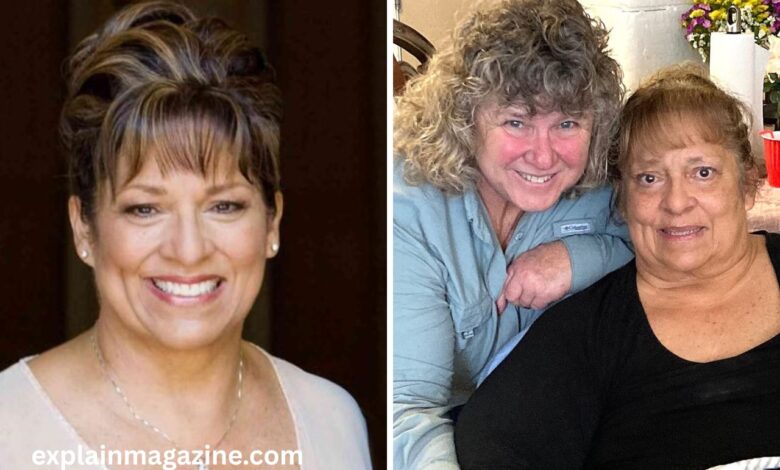
When discussing notorious figures in American criminal history, the name Charles Manson often dominates the conversation. However, behind many infamous personalities are lesser-known individuals whose lives became intertwined with history in unexpected ways. One such person is Candy Stevens, a woman whose name continues to attract curiosity decades after her brief marriage to one of America’s most infamous criminals.
Although Candy Stevens never sought public attention, her connection to Charles Manson has made her a recurring subject of interest among true crime researchers, historians, and readers fascinated by the people surrounding major criminal cases. Despite this attention, surprisingly little is known about her personal life, making her story both intriguing and mysterious.
This article explores who Candy Stevens was, her relationship with Charles Manson, her family life, and why her name continues to appear in discussions about one of the most infamous criminal figures of the twentieth century.
Who Was Candy Stevens?
Candy Stevens was born as Leona Rae Stevens, sometimes referred to in historical records as Leona Rae Musser. Before becoming known through her association with Charles Manson, she lived a relatively private life.
Historical accounts suggest that she encountered Manson during a period when he was repeatedly moving in and out of the criminal justice system. At the time, Manson had already accumulated a lengthy record involving theft, fraud, and other offenses. His life was characterized by instability, frequent arrests, and periods of incarceration.
Unlike many people later associated with Manson’s cult activities, Candy Stevens entered his life years before the infamous Manson Family murders that shocked the United States in 1969. Her relationship with him belongs to an earlier chapter of his life, before he became a nationally recognized criminal figure.
How Candy Stevens Met Charles Manson
The exact circumstances surrounding how Candy Stevens met Charles Manson are not fully documented. However, available records indicate that the two became involved during the late 1950s.
At the time, Manson was facing legal troubles related to forgery and other criminal activities. Court records and historical accounts describe a situation in which Candy Stevens appeared before a judge and pleaded on Manson’s behalf. Reports suggest she expressed deep devotion to him and indicated that they intended to marry. The plea contributed to Manson receiving a suspended sentence and probation rather than immediate imprisonment.
Whether the relationship was driven by genuine affection, manipulation, or a combination of factors remains a matter of debate among historians and crime researchers. What is clear is that the relationship became serious enough for marriage shortly afterward.
Marriage to Charles Manson
Candy Stevens married Charles Manson in 1959. At the time, Manson was still years away from becoming the leader of the cult that would later make international headlines.
The marriage occurred during one of the brief periods when Manson was not incarcerated. However, the relationship faced challenges almost immediately because of his ongoing criminal behavior and legal difficulties. Historical records indicate that Manson’s probation was eventually revoked, leading to another prison sentence.
Some authors and researchers have suggested that Manson may have viewed the marriage as strategically beneficial. One theory proposes that marriage could have limited Stevens’ ability to testify against him in legal proceedings. While such claims remain part of historical interpretation, they have contributed to continued interest in the relationship.
Regardless of the motivations involved, the marriage became a significant chapter in both of their lives.
The Birth of Charles Luther Manson
One of the most important aspects of Candy Stevens’ story is her role as the mother of Charles Manson’s second son.
The couple welcomed a child named Charles Luther Manson in 1960. Unlike his father, Charles Luther largely stayed away from public attention throughout his life. As he grew older, he reportedly changed his name to distance himself from the stigma attached to the Manson surname.
The decision to adopt a different identity reflects the enormous burden carried by family members of notorious criminals. For many relatives, avoiding public scrutiny becomes an important part of building a normal life.
Charles Luther remained largely private, and relatively little information about his adult years became publicly available. Reports indicate that he lived away from the spotlight and died in 2007.
Why the Marriage Ended
Like many relationships involving individuals with chronic criminal behavior, the marriage between Candy Stevens and Charles Manson proved unsustainable.
Manson spent substantial portions of his adult life incarcerated. His repeated arrests and inability to maintain stability created obvious challenges for any family life. Eventually, the marriage ended in divorce around 1963.
Following the separation, Candy Stevens retained custody of their son and largely disappeared from public attention. Unlike many figures later connected to Manson’s cult activities, she did not become a regular subject of media coverage.
This withdrawal from public life is one reason so little verified information exists about her later years.
Life After Charles Manson
One of the greatest mysteries surrounding Candy Stevens is what happened after her divorce.
While Charles Manson would eventually become one of the most notorious criminals in modern American history, Stevens chose a very different path. Public records reveal only fragments of information about her life after the marriage ended.
She did not become associated with the Manson Family cult, nor was she linked to the crimes that later brought worldwide attention to Manson and his followers. Instead, she appears to have pursued a private life away from media scrutiny.
This absence of information has fueled curiosity among researchers. In an age when public figures often leave extensive digital footprints, the relative silence surrounding Candy Stevens makes her story even more intriguing.
Why People Still Search for Candy Stevens
Interest in Candy Stevens remains strong for several reasons.
First, people are naturally curious about the spouses and family members of infamous historical figures. Understanding those relationships can sometimes provide insight into the personalities and circumstances surrounding major events.
Second, true crime audiences often seek to understand the broader human stories behind criminal cases. While Charles Manson’s crimes have been analyzed extensively, the experiences of those who knew him before his rise to infamy receive far less attention.
Third, the limited information available about Stevens creates an aura of mystery. The fewer details available, the more curiosity tends to grow.
As documentaries, books, podcasts, and articles continue to explore the Manson story, Candy Stevens frequently reappears as a figure connected to a lesser-known chapter of his life.
Separating Fact From Speculation
Because so little information exists about Candy Stevens, it is important to distinguish documented facts from speculation.
Verified records confirm that she married Charles Manson in 1959, gave birth to their son Charles Luther Manson, and later divorced him. Historical accounts also place her in legal proceedings involving Manson before their marriage.
Beyond these facts, many stories circulating online rely on assumptions, incomplete records, or unverified claims. As with many figures connected to famous criminal cases, myths sometimes become intertwined with reality.
Researchers continue to rely primarily on court documents, biographies, and historical reporting when examining her life.
The Legacy of Candy Stevens
Although Candy Stevens is remembered primarily because of her marriage to Charles Manson, her story highlights a broader reality about historical narratives. Individuals connected to notorious figures often become part of public memory despite having played little role in the events that later made those figures famous.
In many ways, Stevens represents the forgotten side of history—a person whose name survived because of a brief relationship with someone who would later become infamous.
Her story also illustrates the lasting impact that notoriety can have on families. From her own experience to the challenges faced by her son, the ripple effects of association with a notorious figure can extend across generations.
Conclusion
Read More: Sophia Koetsier Mystery Explained
Candy Stevens remains one of the lesser-known figures connected to Charles Manson’s life. While historical records confirm her marriage to him, the birth of their son, and their eventual divorce, much of her personal story remains hidden from public view.
That mystery is precisely why interest in Candy Stevens continues today. She represents a fascinating intersection of personal history and one of America’s most infamous criminal narratives. Yet unlike the headlines that followed Manson, Stevens largely disappeared from public attention, choosing a path of privacy rather than notoriety.
As true crime enthusiasts and historians continue exploring overlooked stories from the past, the life of Candy Stevens serves as a reminder that history is often shaped not only by famous individuals but also by those whose stories remain partially untold. For readers of explainmagazine, her life offers a compelling glimpse into a forgotten chapter of a widely known historical saga.