









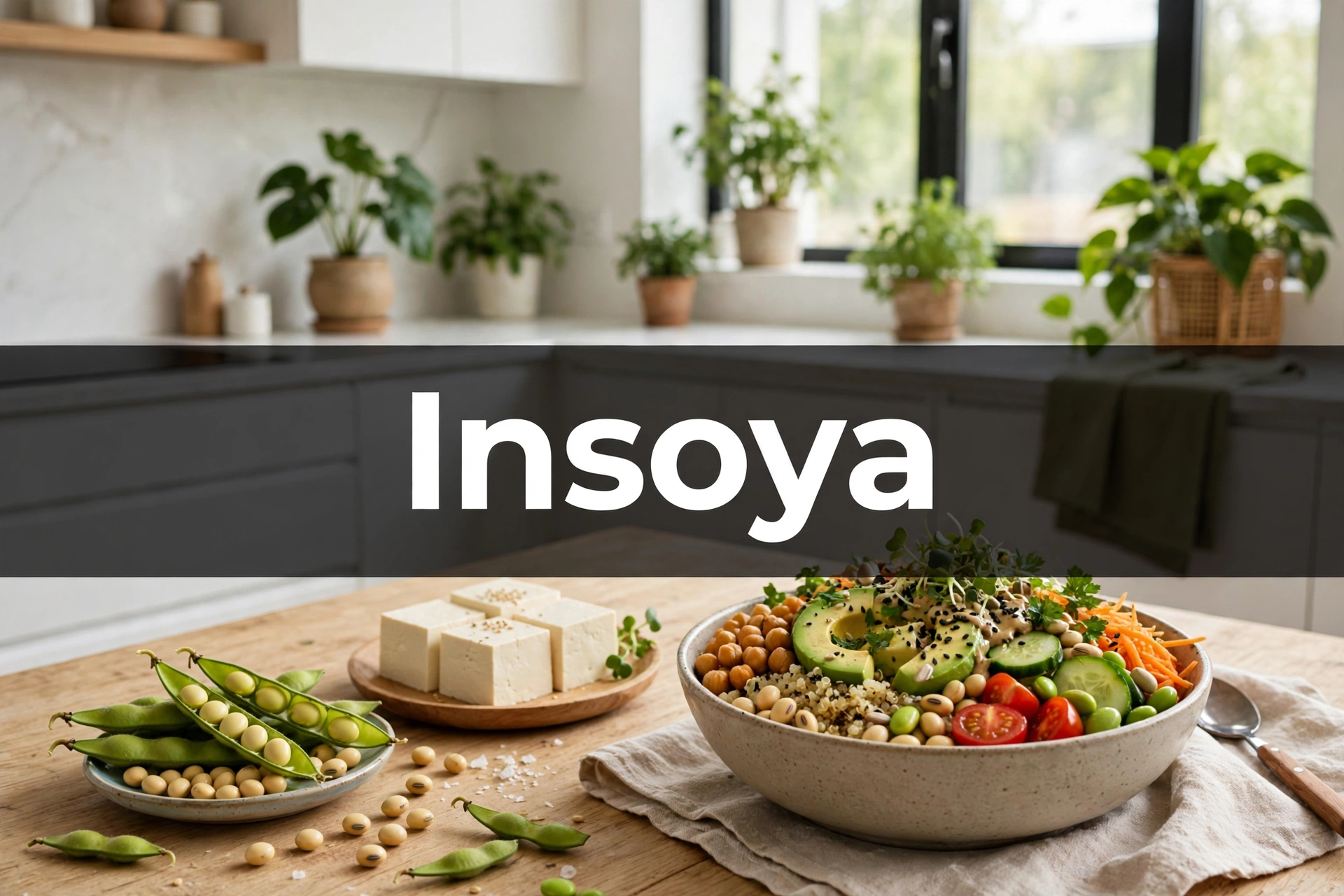
Insoya: The Soy Protein Idea Reshaping Plant-Based Nutrition
Insoya does not have one universally accepted scientific or food-industry definition. Different online sources use it differently, and no single authority has settled what it must mean. Most often, insoya is used for soy-based plant protein and modern soy nutrition, as a newer, more refined take on soy foods. The same word also appears in looser online writing, where it can mean something broader.
That is why insoya is best understood as an emerging term, not an established food category, at the meeting point of soy and innovation. Treat it as a flexible label, not a fixed technical term.
What Is Insoya?
In simple terms, insoya is most commonly presented as a modern idea built around soy protein. The word is formed from innovation and soya: soy, rethought for present-day plant-based eating. In this use, it is not a different plant or a separate food group, but a way of talking about soy protein in a modern frame.
Some writers use insoya to mean a soy-based product or a soy-centred approach to plant-based meals. Others use it more loosely, as a framework or platform, or as a broader soy concept covering ideas and products rather than one single item. That looser use should not carry the same weight as the main one, and the two uses should not be merged.
Why the Name Sounds Like Innovation and Soya
A new food word often works because it sounds familiar and fresh at the same time. The first part suggests something new or carefully developed; the second points directly to soya, a food with a long history. Together, they create an expectation: a known food, presented in a newer form.
That expectation explains much of the interest in the name insoya. Plant-based eating has become more common, and soy already fits the search for protein that does not come from animals. A modern-sounding name can make that familiar food feel more current for readers new to plant-based meals.
How Insoya Differs From Plain Soy
Plain soy is a crop and a food in its own right. Soybeans have been grown and eaten for centuries, and traditional soy foods are well known. Tofu, tempeh and soy milk are the classic examples, each with its own texture, flavour and place in a meal.
Soy protein is a complete protein, which means it contains all nine essential amino acids. That general, established point is one reason soy has long been valued in plant-based diets: a complete protein supplies building blocks the body cannot make on its own. This fact belongs to soy as a food, not to any one modern label.
Insoya, by contrast, is best read as an idea about soy rather than a separate ingredient. Plain soy describes the bean and its traditional foods; the modern term describes a way of presenting soy protein for today, refined and convenient. The difference is therefore one of framing rather than of basic food science.
Insoya at a Glance
| Aspect | Plain soy | Modern soy idea |
|---|---|---|
| What it is | A bean and its traditional foods | Modern presentation of soy protein |
| Familiar foods | Tofu, tempeh, soy milk | Soy-based meals and protein foods |
| Protein point | Complete protein, all nine essential amino acids | The same established point about soy |
| Definition | Long established | No single settled definition |
| Best use | A food in its own right | A label for a modern approach |
What Is Still Unclear About Insoya
First, insoya has no agreed definition. Without a fixed meaning, two writers can use the same word for different things: a soy protein product, a broad concept, or a framework for soy-based eating. A reader cannot tell which meaning is intended from the word alone, and must look at the context.
Second, it is unclear whether the word refers to a specific food, a type of product, a method, or simply a general idea. Until a definition is agreed, or a clear product is described in detail, that question has no single answer, so the word can sound more precise than it is. No specific health benefit should be attached to the term, and this article makes no claim that the modern soy idea lowers cholesterol, prevents disease, or produces any clinical result.
How to Read Claims About Insoya Critically
When a page mentions insoya, start by asking what the writer means by it. Does the page define the word, or simply use it as a selling point? A clear definition and a description of a real food or product are good signs; vague praise, without a definition or a concrete example, is a sign to slow down.
Next, separate the established facts from the new language. Soy protein is a complete protein, and tofu, tempeh and soy milk are established soy foods. A claim that a modern soy idea has a special effect, a unique process, or a proven result needs its own evidence. This article does not claim a proprietary fermentation process for the term, and a reader should be cautious when a source implies one without explaining it. A trustworthy page will say what it does not know and avoid promising a health outcome.
Who Might Find the Idea Useful — and Who Should Be Careful
People who are curious about insoya may find the modern soy idea useful as a starting point. It can make soy feel less unfamiliar and suggest meals that fit a busy routine. For a reader who already eats tofu, tempeh or soy milk, it may simply give a new name to a familiar habit; for a reader new to soy, it may offer a friendly way in.
Care is still needed. Soy allergy exists, and some people cannot eat soy safely. Anyone with a soy allergy should check labels carefully and ask about ingredients when eating out. More generally, readers should talk to a health professional about personal dietary choices, especially with a medical condition or a major change to what they eat. A food label is not medical advice.
Frequently Asked Questions
What is insoya?
It is an emerging term with no single settled definition. Most often it means a modern idea built around soy protein, presented as innovation plus soya. Some sources use it more loosely for a broader soy concept, but that use is less established.
Is insoya the same as soy protein?
Not exactly. Soy protein is an established part of soy foods, and it is a complete protein containing all nine essential amino acids. The modern term is a newer label for an idea built around soy protein, rather than a separate ingredient.
Is insoya a brand or a product?
No specific brand or product is claimed here, and none should be assumed from the word alone. Check whether a page is describing a real product, a general idea, or only a name.
Does insoya have proven health benefits?
No specific health benefit is claimed here, and none should be taken from the word itself. General facts about soy do not prove a result for a new label; seek health advice from a health professional.
What foods are linked to the soy idea?
The established soy foods are tofu, tempeh and soy milk, traditional foods made from soybeans. A modern soy idea may point to similar foods, but the traditional examples remain the best guide.
Should I try insoya foods?
That depends on your diet, tastes and health. If you enjoy soy foods and have no soy allergy, tofu, tempeh and soy milk are familiar places to start. Check labels and talk to a health professional if you are unsure.
Conclusion
In the end, insoya is best seen as a modern label for an old food, not as a settled scientific term. Its most common meaning points to soy protein, while its looser uses point to a broader idea that has not been fixed. The established facts belong to soy itself: a complete protein, with traditional foods such as tofu, tempeh and soy milk. Keep that distinction in mind, enjoy soy foods for what they are, and read new claims about a new name with care.
Related Reading: Trideltathon: A Pool Swim, a Bike Ride and a Run for Charity




One thought on “Insoya: The Soy Protein Idea Reshaping Plant-Based Nutrition”