









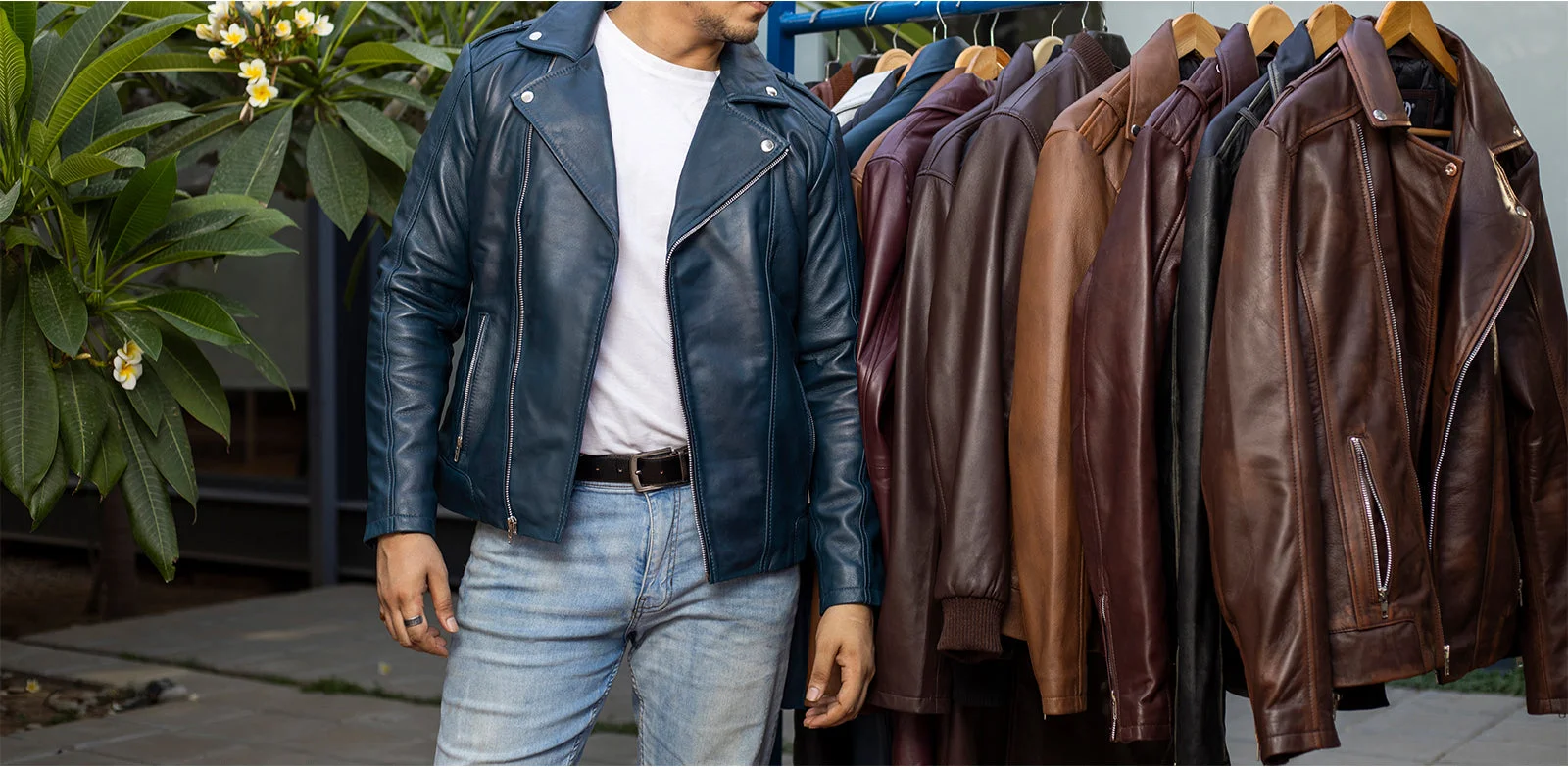
Open almost any winter wardrobe and you will find the same question hiding in it. Is the jacket on the hook warm enough for the coldest days, or is it better suited to the mild ones? Many people own one style and wish they had the other by the time January arrives.
The bomber jacket and the down jacket are two of the most popular answers to cold weather, and they are often mentioned in the same breath. They solve the problem in very different ways, though. One leans on structure and style. The other leans on insulation.
Two Jackets, Two Different Jobs
Before comparing details, it helps to see what each jacket was designed to do.
The Bomber’s Purpose
The bomber began as practical flight wear, built to be short, mobile, and snug at the edges. It closes with a front zip and gathers at the cuffs and hem with ribbed bands. Those bands hold warmth at the edges of the body, but the jacket itself is often a moderate layer, suited to cool rather than freezing conditions.
The Down Jacket’s Purpose
The down jacket exists for one reason: warmth without excess weight. It is filled with soft insulation, usually from the underplumage of ducks or geese, and divided into stitched sections to keep the filling evenly spread. Trapped air between the fibers slows heat loss, which is why these jackets can feel very warm while remaining light.
Comparing Them Where It Counts
Looking at each category in turn makes the differences easier to see.
Warmth
This is the clearest dividing line. A down jacket is designed for cold weather and holds heat well, even when you are standing still. A bomber offers a lighter level of warmth, which suits autumn, early winter, and spring, or colder days when you layer a sweater beneath it.
If you live somewhere with long, hard winters, a down jacket will likely be the more reliable choice. If your winters are mild or short, a bomber may be all you need.
Weight and Packability
Down is known for being light for the warmth it provides, and many down jackets compress into a small space. That makes them easy to carry when the weather changes. A bomber is usually light too, but it is less compressible because of its more structured shape.
Style and Versatility
A bomber has a clean, short silhouette that suits casual and smart-casual outfits alike. It looks natural over a polo, a knit, or a plain tee, and it works well with jeans, chinos, or dark trousers.
Down jackets have a quilted, rounded look. Slimmer versions can look polished, but their puffed shape tends to read as more sporty and practical. Both styles can look good, but they send different signals.
Weather Resistance
Untreated down loses much of its insulating ability when it gets wet, so down jackets generally depend on a water-resistant outer shell. Many have one, but it is worth checking before you buy. A bomber’s performance in rain depends on its fabric, and many are made for dry, cool conditions.
Choosing the Bomber
A bomber suits people who want a flexible layer for cool days and a sharper look than a heavy winter coat provides.
Who It Suits
It works well for commuters in moderate climates, for people who move between indoor and outdoor spaces all day, and for anyone who wants one jacket that carries through several seasons. It is also a good option as a second jacket alongside a heavier winter coat.
What to Look For
Check the zipper and the ribbed cuffs and hem. Strong ribbing keeps its shape and holds warmth, while weak ribbing sags. Look at the shell fabric to see whether it feels sturdy, and check the lining for smooth, even stitching.
Businesses outfitting staff, and retailers building a seasonal range, often explore a wholesale Bomber Jacket selection so that sizes, colors, and finishes stay consistent across the group. When planning, consider whether the team will wear it over thicker layers and size accordingly.
Choosing the Down Jacket
A down jacket suits people who prioritize warmth above all else and who spend extended time in cold conditions.
Who It Suits
It suits anyone facing long, cold winters, outdoor workers who stand still for hours, and travelers heading to cold destinations. Its low weight makes it comfortable to wear for long periods.
What to Look For
Check how evenly the filling is distributed by pressing along the body and sleeves. Flat patches suggest shifting or uneven insulation. Look for a snug collar, cuffs that seal well, and a hem that covers the lower back. A water-resistant shell is a useful extra for wet climates.
Organizations that need to keep teams warm outdoors, or shops stocking cold-weather ranges, frequently look at a wholesale Down Jacket range so that quality and fit remain uniform across many pieces. When ordering, think about whether staff will wear thick layers underneath, since a jacket that is too tight compresses the filling and reduces its warmth.
Can You Own Both?
For many people, the best answer is not either-or. The two jackets cover different parts of the year.
A Simple Seasonal Split
Use the bomber in autumn and spring, when the air is cool but not cold. Switch to the down jacket for the deepest part of winter. This approach spreads wear across both garments and keeps each one in its best conditions.
Layering Across the Range
On very cold days, the bomber can serve as a mid-layer beneath a looser outer layer, though fit needs checking. On milder days, the down jacket may be too warm, and the bomber gives you a lighter alternative without feeling underdressed.
A Short Decision Checklist
If you are still unsure, a few questions can help:
- How cold does it get where you live? Harsh winters point toward down.
- How much time do you spend outdoors? Long stretches outside favor more insulation.
- How important is a sharp, tailored look? The bomber tends to suit smarter outfits.
- Do you need to pack the jacket? Down usually compresses better.
- Is rain common? Check the outer shell on either style.
Care Tips for Both Jackets
Good care extends the life of any jacket.
Caring for Bombers
Read the label and zip the jacket before washing. Use a gentle cycle and hang to dry so the ribbed trims keep their elasticity. Store the jacket on a shaped hanger to protect the shoulders.
Caring for Down Jackets
Check the care instructions carefully, since down needs gentle treatment. Wash with a mild detergent, rinse well, and dry thoroughly on low heat, as damp filling can clump and lose its loft. Store the jacket loosely, not compressed for long periods.
Conclusion: Match the Jacket to the Weather and the Day
Neither jacket is simply better than the other. The bomber offers a clean, flexible layer for cool days and a polished look that fits many outfits. The down jacket offers serious warmth at a light weight, built for cold conditions.
Think about your climate, how long you spend outdoors, and what you want to look like when you wear it. Check fit over the layers you actually plan to wear beneath, and look after the jacket properly. Make those choices thoughtfully, and you will stay comfortable through the season.