







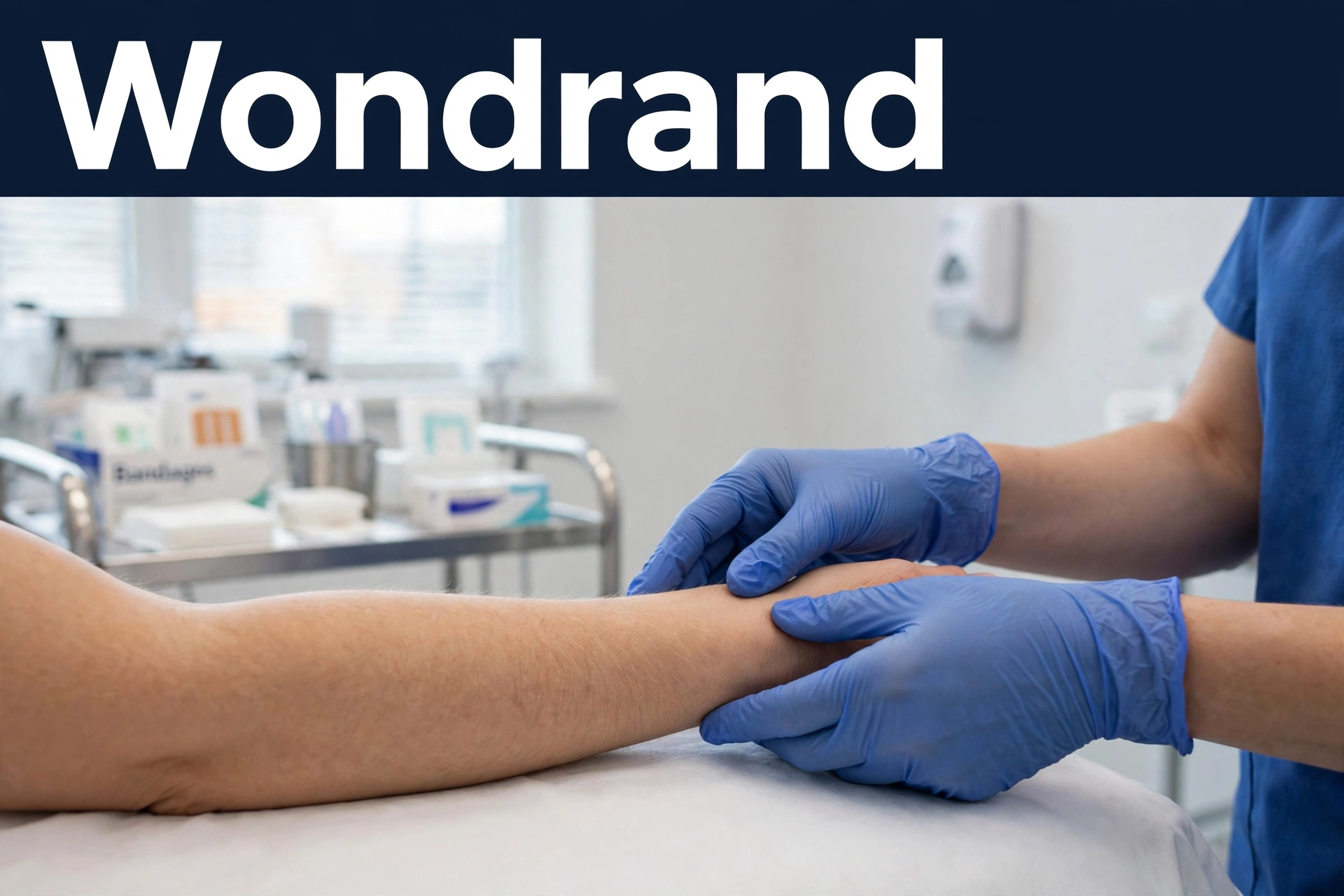
Wondrand is the Dutch word for wound edge, the border where an open wound meets the healthy skin around it. In short, it is the line that separates damaged tissue from intact skin.
When people search for the word, they usually want a simple answer. They may have seen the word in a medical record, a wound care guide, or a Dutch health document, and they want to know what it means and why it matters. This article answers those questions in plain language. It is general information only, not medical advice, and any wound that needs care should be seen by a qualified health professional.
What Is Wondrand?
Wondrand is a Dutch compound noun that means wound edge in English. It describes the visible boundary between the damaged tissue of an open wound and the intact skin that surrounds it. English-speaking clinicians use the same idea under the names wound edge or wound margin.
It is important to be clear about what wondrand is not. It is not a medicine, a cream, a device, or a treatment. It is not a disease or a diagnosis. It is simply a descriptive word that Dutch-speaking nurses and doctors use when they record what a wound looks like. The word names a part of the wound, not a condition to be treated on its own.
Where Does the Word Come From?
The meaning becomes clear when the word is split into its two parts. Wond is the Dutch word for wound, and rand means edge, border, or margin. Put together, they form a compound noun that names exactly the part of the wound being described. The plural, wondranden, refers to wound edges.
It comes from everyday Dutch, not from Latin or Greek like many medical terms. It reflects the practical way medical language develops: nurses and doctors need a short, exact word for the border they see and measure, and the compound gives them one. The German language has a close cousin, Wundrand, which means the same thing: the edge or margin of a wound.
Why Does the Wound Edge Matter?
The wound edge matters because it is where healing happens. New skin grows inward from the edge, in a process called epithelialization, in which fresh skin cells spread across the wound surface. If the edge is healthy and advancing, the wound is closing. If the edge is rolled, swollen, or stuck, healing may be slow, and a clinician will want to know why.
The edge also shows problems early. Maceration, the softening of skin from too much moisture, often appears at the edge first. A rolled edge can mean the wound has stalled. Redness or swelling spreading outward from the edge can be a sign that needs professional attention. That is why the wound edge is one of the first things a nurse records when a wound is assessed: it is a small area that carries a large amount of information about how healing is going.
What Do Clinicians Look For?
When clinicians record the wound edge, they look at several features of the edge. They note whether the edge is attached to the wound bed or lifted away from it, whether its shape is even or irregular, whether it is rolled under, whether the surrounding skin is too wet or too dry, and whether the edge is advancing inward as new skin forms. Each of these observations is written down so that the next person who checks the wound can compare it with the last visit.
This recording is part of structured wound documentation. One of the systems used for this is SNOMED CT, an international clinical terminology used in electronic health records, which lists a wound edge finding concept, and the Dutch label for it is wondrand. In the Netherlands, the national health information model for wounds, published by Nictiz, also includes WondRand as a data element describing the condition of the outer edges of a wound.
Is Wondrand a Treatment or a Product?
No. Wondrand is neither a treatment nor a product, and it should not be confused with one. No cream, dressing, or device is sold under this name, and the word does not describe a procedure. It is a term from clinical documentation, and its job is to describe, not to treat.
That distinction matters for readers who search the word hoping for a remedy. A wound that is not healing, that is painful, that smells unusual, or that shows spreading redness needs a health professional, not a search result. This article gives general information about a word, and it cannot judge any individual wound. Anyone unsure about a wound should seek professional care rather than treating it from what they read online.
Wondrand and Similar-Sounding Words
Wondrand is sometimes confused with names that sound similar but mean something completely different. One example is WONDR Experience, an entertainment attraction, which has nothing to do with wound care. Another is WNDR, the ticker of a small cryptocurrency token called Wonderman Nation. The ordinary English word wonder is also a near neighbour in spelling, and it has no medical meaning at all.
The German Wundrand is the one similar word that does belong to the same idea, because it means the same thing in German. All the others are coincidences of spelling, and they show why a single word should always be checked in context before a reader assumes what it means.
At a Glance
| Detail | What to know |
|---|---|
| Language | Dutch |
| English meaning | Wound edge, wound margin |
| Word parts | Wond (wound) + rand (edge, border) |
| Plural | Wondranden |
| Word type | Compound noun |
| Field | Wound care, clinical documentation |
| What it describes | The border between a wound and surrounding skin |
| Healing process | Epithelialization, new skin growing inward from the edge |
| Terminology system | SNOMED CT wound edge finding |
| What it is not | Not a medicine, device, treatment, or diagnosis |
| German cousin | Wundrand, same meaning |
Frequently Asked Questions
What is wondrand?
It is a Dutch medical term meaning wound edge, the border where an open wound meets the healthy skin around it.
What does wondrand mean in English?
It means wound edge or wound margin, from wond, meaning wound, and rand, meaning edge, border, or margin.
Why is the wound edge important?
New skin grows inward from the edge, so a healthy, advancing edge shows a wound is closing, while a rolled or stuck edge can mean healing has slowed.
Is wondrand a treatment?
No. It is not a medicine, a cream, a device, or a procedure. It is simply a descriptive word used in clinical documentation.
What do clinicians check at the wondrand?
They check whether the edge is attached or lifted, its shape, whether it is rolled, whether the nearby skin is too wet or dry, and whether it is advancing.
Is wondrand the same as WONDR Experience?
No. WONDR Experience is an entertainment attraction, while wondrand is a Dutch wound care term, and the two have nothing to do with each other.
Conclusion
In short, wondrand is a small Dutch word for an important place: the edge of a wound, where damaged tissue meets healthy skin and where healing begins. The word is simple once it is split in two, and the idea behind it is used by clinicians in every language.
For readers, the lesson of wondrand is to look at the border. A wound is judged not only by its size, but by the condition of its edge, and a careful record of that edge helps health professionals see whether healing is moving forward.
That is why the wondrand earns its place in medical records, and it shows how one exact word can carry the whole story of a wound’s healing.
Related Reading: Windstrebe: The Small Brace That Keeps a Roof Standing


One thought on “Wondrand: The Wound Edge That Decides How Skin Heals”