








A small room doesn’t necessarily have to feel cramped. Sometimes, the right paint color can make it feel brighter, more welcoming, and even a little more spacious.
But choosing that color isn’t always easy. Should you stick with white? Can dark shades work in a small bedroom? And what happens if the color you love on a sample card looks completely different once it’s on your walls?
The truth is, there’s no single color that works for every small space. Natural light, furniture, ceiling height, and even the room’s purpose can influence how a shade looks.
If you’re wondering how to choose paint colors for small rooms, here are some practical ideas to help you find the right fit.
Why Does Paint Color Matter in Small Rooms?
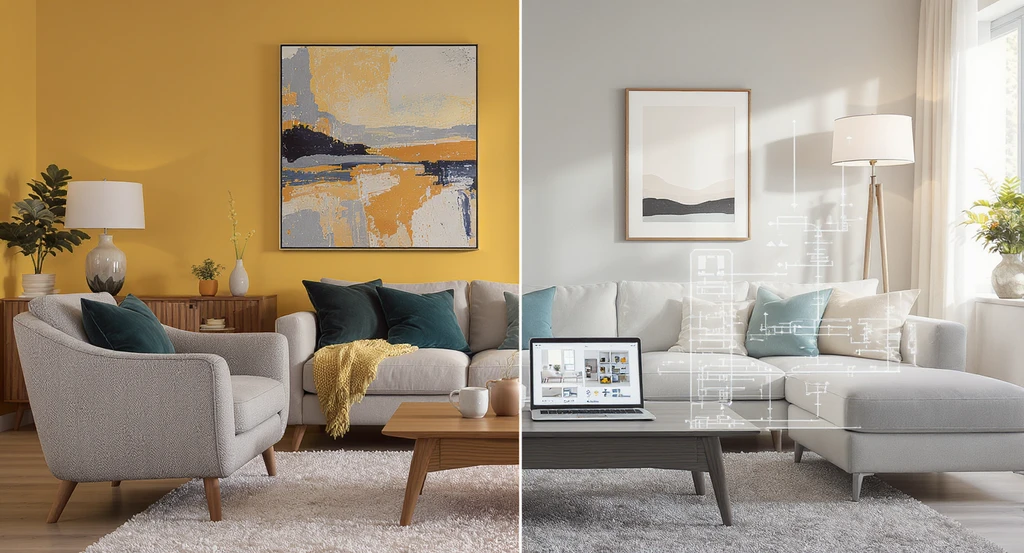
Paint color can influence how we perceive the size, brightness, and overall atmosphere of a room. Lighter shades generally reflect more light, which can make a space feel open and airy. Darker colors absorb more light but can create depth and a cozy atmosphere.
However, color alone doesn’t determine how spacious a room feels. The amount of daylight, artificial lighting, furniture placement, and contrast between surfaces also play a role.
For homeowners planning a room makeover, consulting an interior painting company can help with selecting colors and finishes that suit the space. Experienced painters can also recommend ways to achieve a consistent finish, particularly in rooms where uneven walls or lighting make imperfections more noticeable.
The goal isn’t necessarily to make every room look bigger. It’s to create a space that feels comfortable and works with your existing interior.
What Are the Best Paint Colors for Small Rooms?
You don’t have to limit yourself to plain white walls just because a room is small. Several color families can work beautifully, depending on the look you’re trying to achieve.
If you’re considering repainting your home, look for a residential painting company that offers interior painting services and can help you explore suitable color options. Testing a few shades before committing can also save you from choosing a color that doesn’t work with your lighting.
Here are some colors worth considering.
1. Soft Whites for a Bright, Open Feel
White is a popular choice for small rooms because it reflects light and provides a clean, simple background.
However, not all whites look the same. Some have warm undertones that create a softer atmosphere, while others have cooler undertones that feel crisp and modern.
Warm whites often pair well with wood furniture and earthy accents. Cooler whites may complement contemporary interiors with gray or blue elements.
Before choosing one, test it on your walls to see how it responds to daylight and artificial lighting.
2. Light Gray for a Subtle, Modern Look
Light gray can make a small room feel calm and balanced without the brightness of pure white.
It works particularly well in bedrooms, home offices, and living rooms where you want a neutral background.
However, gray can sometimes appear blue, green, or purple depending on its undertones and the room’s lighting.
Choose a shade that complements your flooring, furniture, and other permanent features.
3. Beige and Greige for Added Warmth
If white feels too plain and gray seems too cool, beige or greige may offer a comfortable middle ground.
Greige combines gray and beige undertones, creating a versatile neutral that can work with both warm and cool decorative elements.
These shades are particularly useful in small living rooms and bedrooms where you want a relaxed, welcoming atmosphere.
They also pair easily with natural textures, wooden furniture, and soft furnishings.
4. Pale Blue and Green for a Relaxing Atmosphere
Soft blues and muted greens can bring color into a small room without making the design feel overwhelming.
Pale blue often creates a fresh, peaceful atmosphere, while sage green can add a natural, earthy touch.
Both can work well in bedrooms, bathrooms, or compact home offices.
For a cohesive look, consider pairing these shades with neutral furniture and simple accessories.
5. Dark Colors for Depth and Character
There’s a common belief that dark paint automatically makes small rooms feel smaller. That’s not always the case.
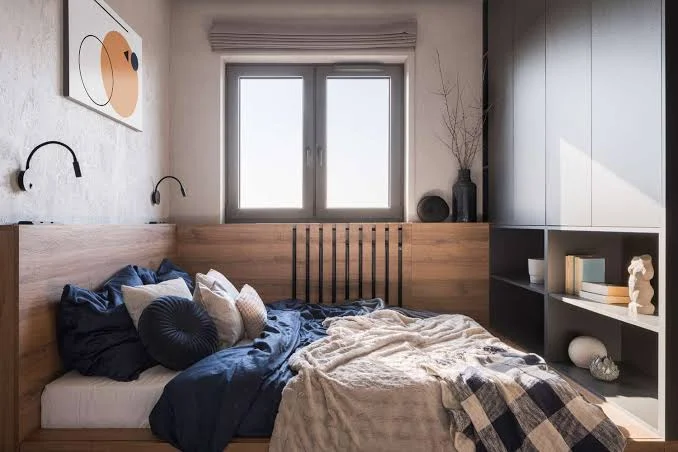
Deep navy, charcoal, forest green, and other rich shades can create a cozy atmosphere and make a room feel more intentional.
Dark colors may work especially well in small bedrooms, reading corners, or powder rooms where a dramatic look is desirable.
The key is to consider the lighting and overall design rather than avoiding dark colors altogether.
How Can You Make a Small Room Feel Bigger With Paint?
Choosing the right color is only part of the process. How you apply it can also influence the room’s appearance.
Keep Wall and Trim Colors Similar
Strong contrast between walls and trim can draw attention to the room’s boundaries.
Using similar shades for walls, baseboards, and doors can create a more continuous appearance.
You don’t have to paint everything exactly the same color. Even a slight difference in tone can maintain visual interest without creating sharp divisions.
Consider Painting the Ceiling
A bright ceiling can help a room feel open, especially when paired with light-colored walls.
However, painting the ceiling the same color as the walls can also create a seamless look by reducing visual contrast.
This approach can work particularly well in smaller bedrooms or rooms with unusual ceiling angles.
Use Accent Walls Carefully
An accent wall can add personality without requiring every wall to be painted a bold color.
For example, a deeper shade behind a bed or sofa can create a focal point.
However, accent walls aren’t essential. In some small rooms, a consistent color across all walls may produce a more balanced appearance.
Choose the Right Paint Finish
Paint finish affects how light interacts with the walls.
Matte and flat finishes reflect less direct light and can help disguise minor surface imperfections. Eggshell and satin finishes offer more sheen and may be easier to clean, depending on the product.
For bathrooms and kitchens, choose a paint formulated for the room’s moisture and cleaning requirements.
Final Thoughts
Learning how to choose paint colors for small rooms is less about following strict design rules and more about understanding your space.
Light neutrals can create an airy atmosphere, soft colors can add personality, and darker shades can bring warmth and depth.
Pay attention to lighting, test your options, and choose colors that complement the way you use the room. With a little planning, even the smallest space can feel comfortable, inviting, and thoughtfully designed.