









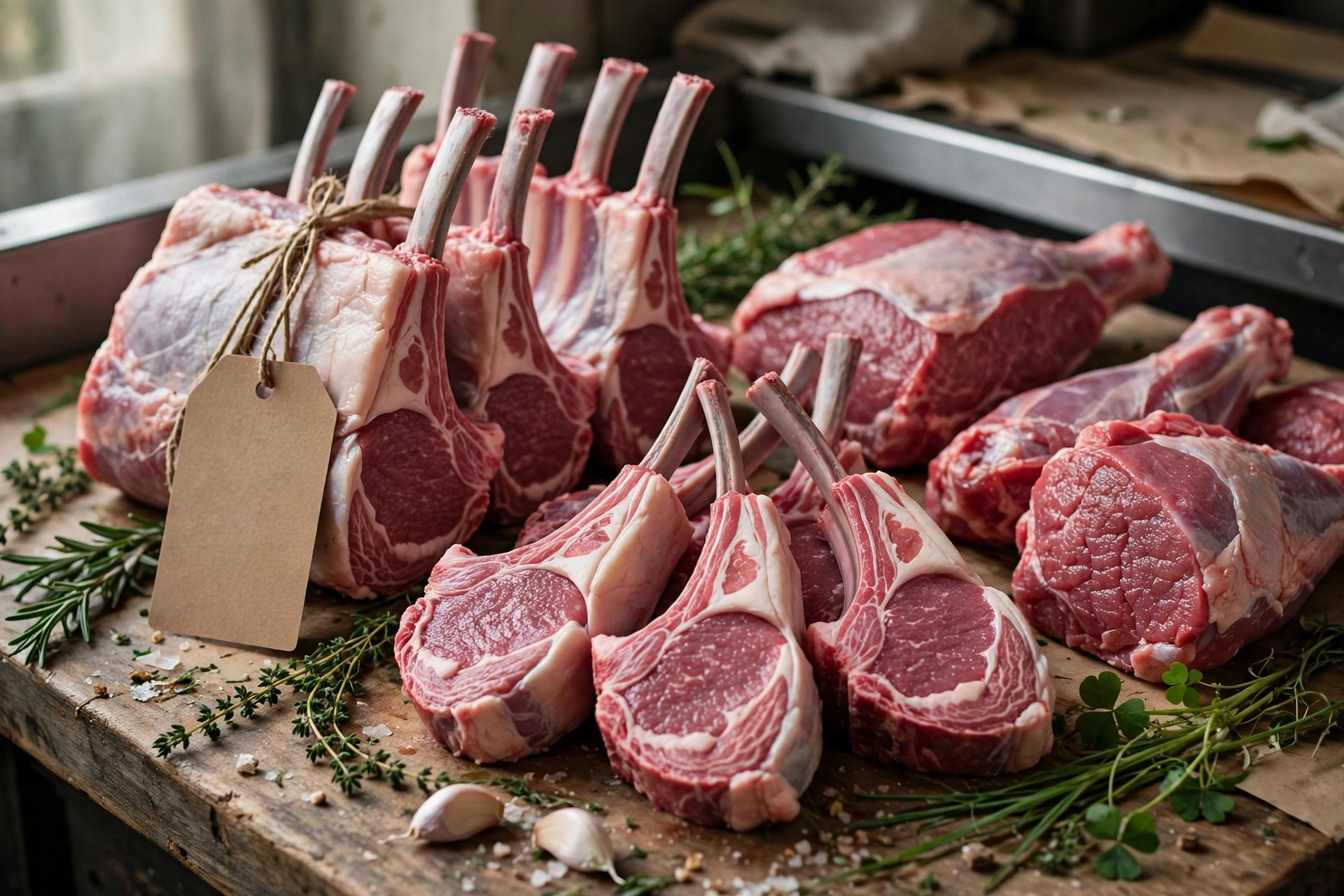
When you browse the meat section at your local grocery store, you may notice a growing number of packages labeled as “grass-fed.” These labels are meant to signal a difference in how the animals were raised and what they were fed, but the meaning behind them can be confusing. Consumers are increasingly interested in the origins and quality of their food, and grass-fed claims are often associated with health, environmental, and ethical benefits. However, not all grass-fed labels are created equal, and understanding what they truly represent can help you make more informed choices about the meat you bring home.
What to Expect from This Guide
Understanding Grass-Fed: What Does It Really Mean?
The term “grass-fed” is often used to describe meat from animals that have been raised primarily on a diet of grass and forage, rather than grain-based feeds. In theory, this means the animals have spent most of their lives grazing on pasture, which many people associate with more natural and humane farming practices. However, the reality behind the label can vary significantly depending on the country of origin, the specific certification, and the practices of individual farms. In some regions, grass-fed may simply mean the animal had access to pasture at some point, while in others, it indicates a lifetime diet of grass. This lack of standardization can make it challenging for consumers to know exactly what they are getting. Some labels are backed by third-party certifications that require strict adherence to grass-based diets, while others rely on self-reporting by producers. As a result, the grass-fed label alone does not always guarantee a specific set of farming practices or animal welfare standards.
How Grass-Fed Labels Differ Around the World
Grass-fed labeling standards are not universal, and the requirements can differ greatly from one country to another. In the United States, for example, the USDA has guidelines for grass-fed claims, but these are voluntary and not always strictly enforced. Some producers may finish their animals on grain for a short period before slaughter, yet still use the grass-fed label if the majority of the animal’s diet was grass. In contrast, countries like Australia and New Zealand have a long tradition of pasture-based farming, and their grass-fed claims are often more consistent. Meat from these regions is typically raised on open pastures with little or no grain supplementation. This is one reason why products such as New Zealand Spring Lamb are sought after by consumers looking for authentic grass-fed meat. Understanding these regional differences is important for anyone who wants to ensure they are purchasing meat that aligns with their values and expectations.
The Health Implications of Grass-Fed Meat
One of the main reasons people seek out grass-fed meat is the perception that it is healthier than conventionally raised alternatives. Research suggests that grass-fed meat can have a different nutritional profile, often containing higher levels of omega-3 fatty acids, conjugated linoleic acid (CLA), and certain vitamins like vitamin E. These nutrients are linked to various health benefits, including improved heart health and reduced inflammation. Grass-fed meat is also typically leaner, which may appeal to those looking to reduce their intake of saturated fat. However, the differences in nutritional content can vary depending on the breed of animal, the specific diet, and the environment in which it was raised. While grass-fed meat may offer some advantages, it is important to remember that it is just one factor in a balanced diet. Consumers should also consider other aspects such as portion size, cooking methods, and overall dietary patterns when evaluating the healthfulness of their meat choices.
Environmental Impact of Grass-Fed Farming
Grass-fed farming is often promoted as a more sustainable alternative to conventional grain-fed systems. Pasture-based agriculture can support soil health, promote biodiversity, and reduce the need for synthetic fertilizers and pesticides. Well-managed grazing systems can even help sequester carbon in the soil, potentially mitigating some of the greenhouse gas emissions associated with livestock production. However, the environmental benefits of grass-fed farming depend on a variety of factors, including the local climate, soil type, and management practices. In some cases, poorly managed grazing can lead to overgrazing, soil erosion, and habitat loss. Additionally, grass-fed animals typically take longer to reach market weight, which can result in higher methane emissions per pound of meat produced. As with any agricultural system, the sustainability of grass-fed farming is complex and context-dependent. Consumers interested in minimizing their environmental footprint should look for producers who prioritize regenerative practices and transparent sourcing.
Animal Welfare and Ethical Considerations
For many consumers, animal welfare is a key motivation for choosing grass-fed meat. Animals raised on pasture generally have more space to move, engage in natural behaviors, and experience less stress compared to those in confined feeding operations. Grass-fed systems often avoid the use of growth hormones and routine antibiotics, which can be important for those concerned about animal health and the development of antibiotic resistance. However, not all grass-fed labels guarantee high welfare standards. Some certifications include specific animal welfare requirements, while others focus solely on diet. It is important to look for additional assurances, such as third-party animal welfare certifications, if this is a priority for you. Transparency from producers and retailers can also help consumers make choices that align with their ethical values. Ultimately, while grass-fed systems can offer welfare benefits, the specifics depend on how the animals are managed and the standards to which producers are held.
Decoding Labels: What to Look For
With so many different grass-fed labels on the market, it can be difficult to know which ones are meaningful. Some labels are regulated by government agencies or independent organizations, while others are simply marketing terms with little oversight. When evaluating grass-fed meat, look for certifications that specify the animal’s diet, access to pasture, and any additional welfare or environmental standards. Labels such as “100% grass-fed,” “grass-finished,” or those backed by reputable third-party organizations tend to offer more assurance about the product’s origins. Reading the fine print and researching the practices of specific brands can help you make more informed decisions. If possible, buying directly from local farmers or trusted retailers can provide additional transparency and confidence in the quality of the meat you are purchasing.
Grass-Fed Meat and Taste: What to Expect
Grass-fed meat is often described as having a richer, more complex flavor compared to grain-fed alternatives. The taste can be influenced by the animal’s diet, breed, and the environment in which it was raised. Some people find grass-fed meat to be slightly leaner and firmer, with a distinct earthy or grassy note. Cooking methods may need to be adjusted to account for the lower fat content, as grass-fed cuts can dry out more quickly if overcooked. For those who appreciate a more natural and robust flavor profile, grass-fed meat can be a rewarding choice. However, taste is subjective, and preferences can vary widely. Trying different cuts and sources can help you discover what you enjoy most, and learning how to prepare grass-fed meat properly can enhance your overall eating experience.
Grass-Fed Labels: A Quick Recap
Grass-fed labels can indicate differences in animal diet, farming practices, and product quality, but not all labels are created equal. Understanding the meaning behind these claims helps consumers make choices that align with their health, environmental, and ethical priorities.
Conclusion
Choosing meat with a grass-fed label can reflect a desire for higher quality, more sustainable, and ethically produced food. However, the meaning behind these labels is not always straightforward, and there is significant variation in standards and practices across different regions and producers. By learning what grass-fed labels truly represent, consumers can make more informed decisions that align with their values and preferences. Whether you are motivated by health, environmental impact, animal welfare, or taste, taking the time to understand the story behind your meat can lead to greater satisfaction and confidence in your food choices. As demand for transparency and accountability in food production continues to grow, being an informed shopper is more important than ever.